Optimal Timing for Pigeon Control
Effective pigeon control requires timing considerations to maximize success. The optimal periods are typically during early nesting seasons and before pigeon populations establish themselves in a new area. Implementing control measures during these times can prevent significant buildup and reduce long-term issues.
Spring is ideal for pigeon control as it coincides with nesting and breeding. Addressing pigeons early prevents population growth and reduces damage.
Timing control efforts before breeding begins can effectively disrupt reproductive cycles and lower future populations.
After the breeding season, control measures can be more effective as pigeon activity diminishes, making removal and deterrence easier.
Early summer provides an opportunity to address lingering populations before they settle into permanent nesting sites.

Pigeons prefer ledges and building eaves for nesting, especially during spring and early summer.

Proper timing ensures equipment like spikes and nets are most effective when pigeons are active.

Monitoring during early seasons helps identify high activity areas for targeted control.

Implementing deterrents before nesting begins reduces the likelihood of pigeons establishing sites.

Removing nests and debris after control measures ensures long-term effectiveness.

Understanding seasonal patterns aids in planning control efforts for maximum impact.

Identifying key urban nesting sites during different seasons guides control timing.

Regular checks during off-peak times maintain deterrent effectiveness.
| Timing Aspect | Details |
|---|---|
| Spring | Peak nesting season; ideal for preventive measures. |
| Pre-Breeding | Disrupts reproductive cycles, reducing future populations. |
| Post-Season | Effective for cleanup and reinforcement. |
| Early Summer | Prevents establishment of new nesting sites. |
| Late Fall | Prepares sites for winter and reduces activity. |
| Winter | Less effective for control due to decreased activity. |
| Mid-Year | Maintenance and monitoring are recommended. |
| Seasonal Patterns | Understanding local patterns optimizes timing strategies. |
Pigeon controls involve a combination of deterrents, exclusion devices, and population management techniques. Timing is crucial to ensure that these measures are most effective, preventing pigeons from nesting, roosting, and establishing permanent sites. Properly timed interventions can significantly reduce pigeon-related issues, including property damage, health concerns, and nuisance problems.

Devices like spikes and netting are most effective when installed before nesting begins.

Removing nests early prevents pigeons from settling during breeding season.

Monitoring during key times helps evaluate control success and plan future actions.
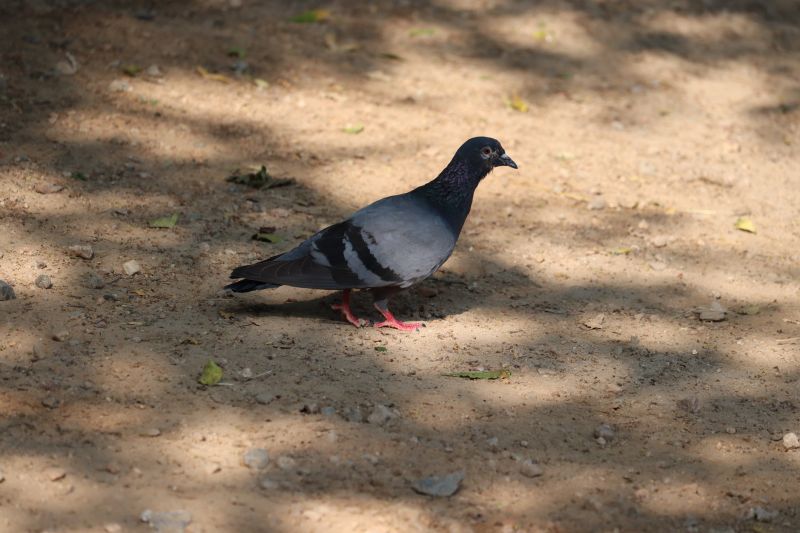
Targeted control during active seasons minimizes long-term impacts.

Ways to make Pigeon Controls work in tight or awkward layouts.
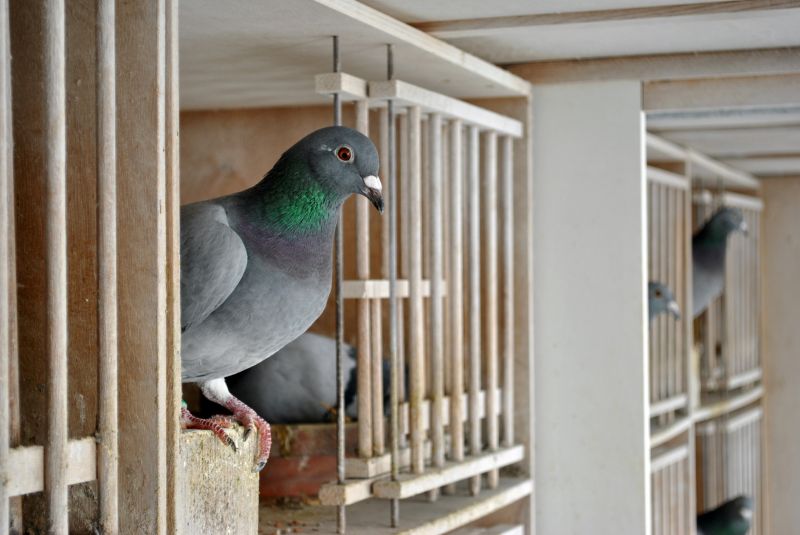
Popular materials for Pigeon Controls and why they hold up over time.

Simple add-ons that improve Pigeon Controls without blowing the budget.

High-end options that actually feel worth it for Pigeon Controls.
For those interested in implementing pigeon control measures, filling out a contact form can provide tailored advice and assistance. Proper timing combined with effective deterrent systems can help manage pigeon populations efficiently and reduce associated problems.